The GP of Australia showed a beginning of atypical season: the “imbroglio” involving Sauber and the Dutch driver Giedo van der Garde, Manor who attended but did not race, a starting grid with only 15 cars … It was not a common race, that’s sure. However, we can draw some important conclusions that might influence the fate of drivers and teams for the rest of the season. Let’s see:
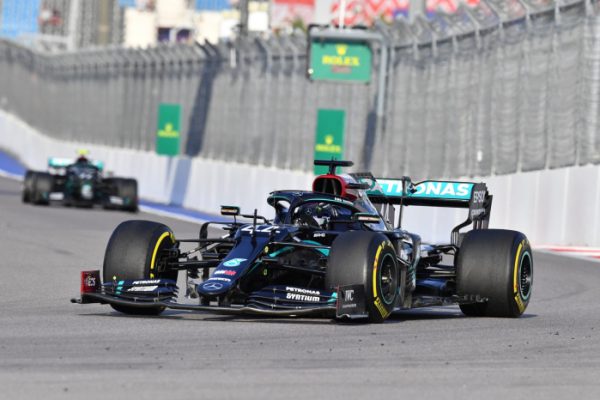
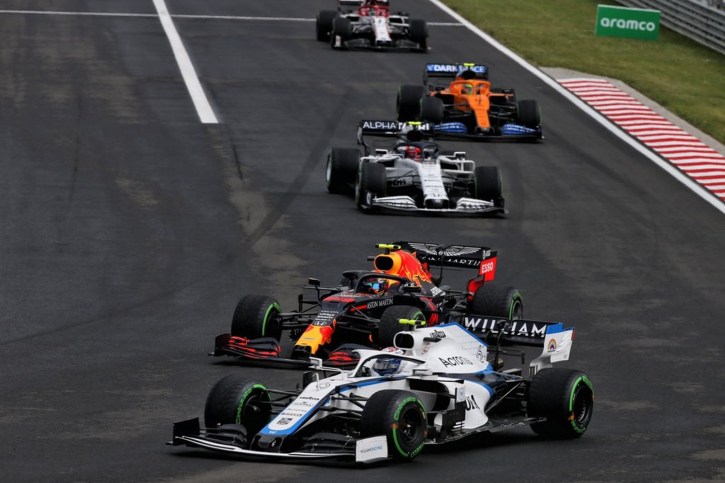
1) WHAT YOU SAW IN TESTS WAS REPEATED IN THE RACE – That Mercedes would have absolute dominion we had no doubts, questions were about Ferrari and Sauber. Race results proved that no game scene was played and both had excellent performances, as well as Williams. STR also showed strength and the talent of Max Verstappen. A pleasant surprise came from Carlos Sainz, Jr who showed maturity and competence. The problems faced by Red Bull with the incompatibility of its chassis and the power unit of Renault is leaving the Austrian team in the uncomfortable position of seeing his junior team provide more reliability and even better performance in some situations. It is a very serious problem and unless the FIA intervenes, which is unlikely, we can’t see a short-term solution. On the side of McLaren, some see it as positive that it have completed the race after having been testing so little in the preseason. Others see the fact that have been finished the race two laps behind Hamilton as a much worse situation than expected. Only time will tell who is right, any prognosis now is pure “guess”, but one thing is certain: neither the excellent Fernando Alonso could have done better this time. Highlight for Force India that even with a late project achieved a good performance. Lotus certainly will fight with the Indians and Sauber in midfield.
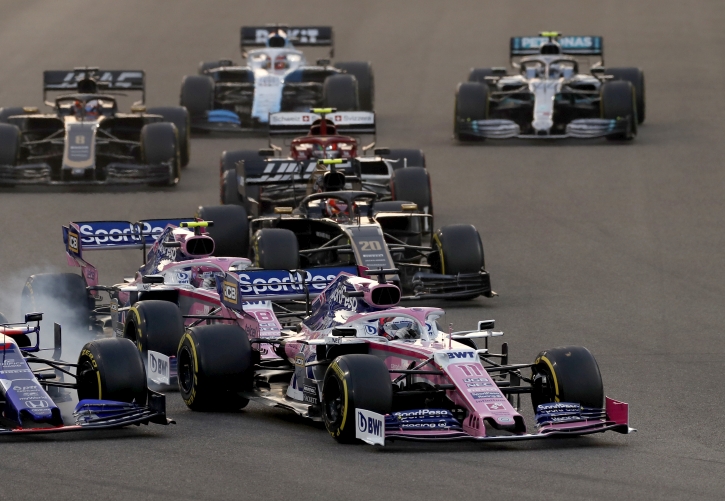
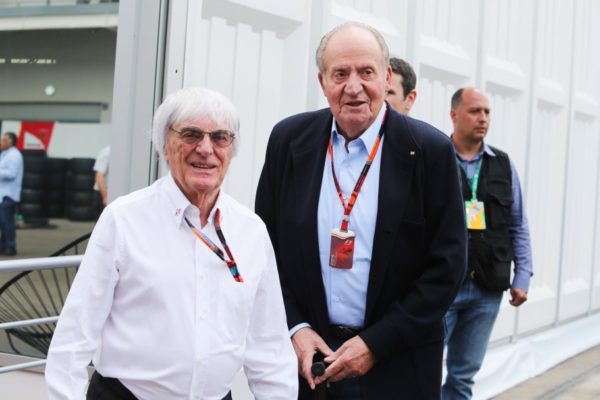
2) A BORING RACE – Nobody likes to watch the replay of a game already knowing the result. The performance of the Mercedes was so superior that not one had doubts of who would occupy the two top positions, but whom would be the third and fourth placed. The real dispute happened from the fifth position back and on a race with only eleven cars finishing and ten scoring the excitement was almost zero! Missing more cars on the grid and even if we have 20 in Malaysia the ideal would be 24. The FIA needs to review it, but will not. The likely result is that the young people and those who are not fanatics will give up F1, with audience falling on TV and in attendance to the race tracks. To make things worse, Bernie Ecclestone wants to further restrict public, planning the migration of races from network television to pay-per-view.
The question is: would you pay to watch this boring?
3) A ROOKIE SAVES THE RACE – Amazingly, the greatest emotions conveyed in Melbourne were provided by a 22- years-old rookie. Brazilian Felipe Nasr was elected as the great name of the race by experts around the world. Not that Nasr not deserve, but in a race with the presence of four world champions with a total of eight driver’s titles one has to recognize that something is out of context. Anyway, Nasr guided safely and boldness, a worthy combination of the great, and if it continues like this could become another Brazilian driver to achieve success at the top of motorsport.
Some say Australia is a unique proof. That what happens in it, it is not reflecting over the other championship’s races. I believe that this year the say was confirmed in some facts reported above. However, the greatest danger is still loose in the air: the other races coming to repeat the boring and then …
by Ialdo Belo