Pre-season testing in Bahrain has concluded ahead of the 2026 Australian Grand Prix, and if the timesheets are any indication, Formula 1 is heading into one of its most competitive seasons in years.
Ferrari, McLaren, Mercedes and Red Bull Racing appear separated by mere tenths. But as always in testing, tyre compounds, fuel loads and development programmes mean the real pecking order remains deliberately concealed.
Ferrari sets the benchmark
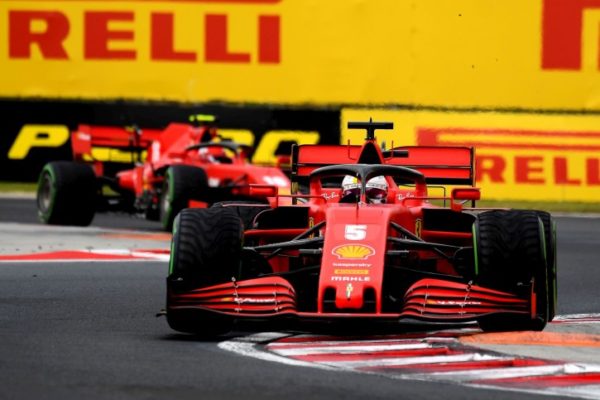
Charles Leclerc topped the final week of testing at Sakhir with a 1m31.992s lap on Pirelli’s C4 medium tyres, completing 132 laps in the process.
That time was nine-tenths quicker than Lando Norris’ best for McLaren (1m32.871s), but Norris set his lap on harder rubber. When tyre differences are factored in, Ferrari and McLaren appear closely matched on outright pace.
Ferrari also impressed during FIA-organised practice starts. The team’s strong launch performance suggests they may have found an early operational edge under the new 2026 regulations.
After two three-day test sessions, Ferrari leaves Bahrain with confidence.
The leading quartet: separated by tenths
Behind the headline times, the competitive picture remains extremely tight. Six drivers were covered by just eight-tenths of a second:
-
Max Verstappen (Red Bull Ford): 1m33.109s
-
George Russell (Mercedes): 1m33.197s
-
Pierre Gasly (Alpine): 1m33.421s
-
Oliver Bearman (Haas): 1m33.487s
-
Gabriele Bortoleto (Audi): 1m33.755s
-
Kimi Antonelli (Mercedes): 1m33.916s
Verstappen and Russell ran prototype compounds, while the others used medium tyres. There were also suggestions that Red Bull and Mercedes were not focused on chasing ultimate lap times on the final day.
Antonelli’s programme was curtailed due to a pneumatic pressure issue, underlining that reliability remains a key factor heading into Melbourne.
Further down the order, Arvid Lindblad, Carlos Sainz, Oscar Piastri and Isack Hadjar were separated by just three tenths. Lindblad in particular impressed by completing 165 laps in a single day — nearly three grand prix distances.
Mercedes power unit debate set for regulation change
A technical discussion is unfolding around Mercedes’ power unit.
Mercedes is believed to have extracted performance through an interpretation of compression ratio regulations — running 18:1 at optimal operating temperature instead of the mandated 16:1 measured at ambient conditions.
Pressure from rival manufacturers has reportedly triggered a super-majority vote involving the FIA, FOM and engine suppliers. The regulations are expected to be reworded to include additional compression ratio measurements at approximately 130°C.
Even with revised wording, Mercedes is expected to continue running its current-spec power units for the opening 13 races of the season. That could significantly influence the early championship picture, particularly as McLaren, Williams and Alpine also use Mercedes engines.
Around one second off 2025 pace
Leclerc’s benchmark of 1m31.992s compares to Oscar Piastri’s 2025 Bahrain pole lap of 1m29.841s, set on softer tyres.
That suggests the new-generation 2026 cars are currently around one second per lap slower in comparable conditions — an anticipated consequence of the aerodynamic reset and revised power unit regulations.
As development progresses, that gap is likely to shrink.
Cadillac learning, Aston struggling
Cadillac continues its steep introduction to Formula 1. Valtteri Bottas’ best time of 1m35.290s leaves the team more than three seconds off the front-running pace, though mileage and data gathering remain the priority.
Aston Martin endured a particularly difficult test. A Honda power unit issue resulted in a shortage of components, severely limiting running. Battery problems compounded the situation, restricting Friday’s programme to just six laps — none of them representative.
At this stage, Aston appears the most vulnerable among the established teams.
Conclusion
Testing rarely reveals the full competitive picture. However, Bahrain suggests the 2026 season may open with four teams capable of fighting for victory.
Ferrari looks sharp.
McLaren remains a threat.
Mercedes is strong but under scrutiny.
Red Bull has shown little of its hand.
Melbourne should provide the first true answers.